On this page
- Export factoring facilities for UK sellers trading abroad
- Why exporters use international factoring
- Overseas customers, markets and invoices that can qualify
- From shipment to settlement: running an export facility
- Pricing an export facility
- Comparing export factoring with other trade funding
- Export agreement terms: currency, recourse and collections
- Start an export factoring enquiry
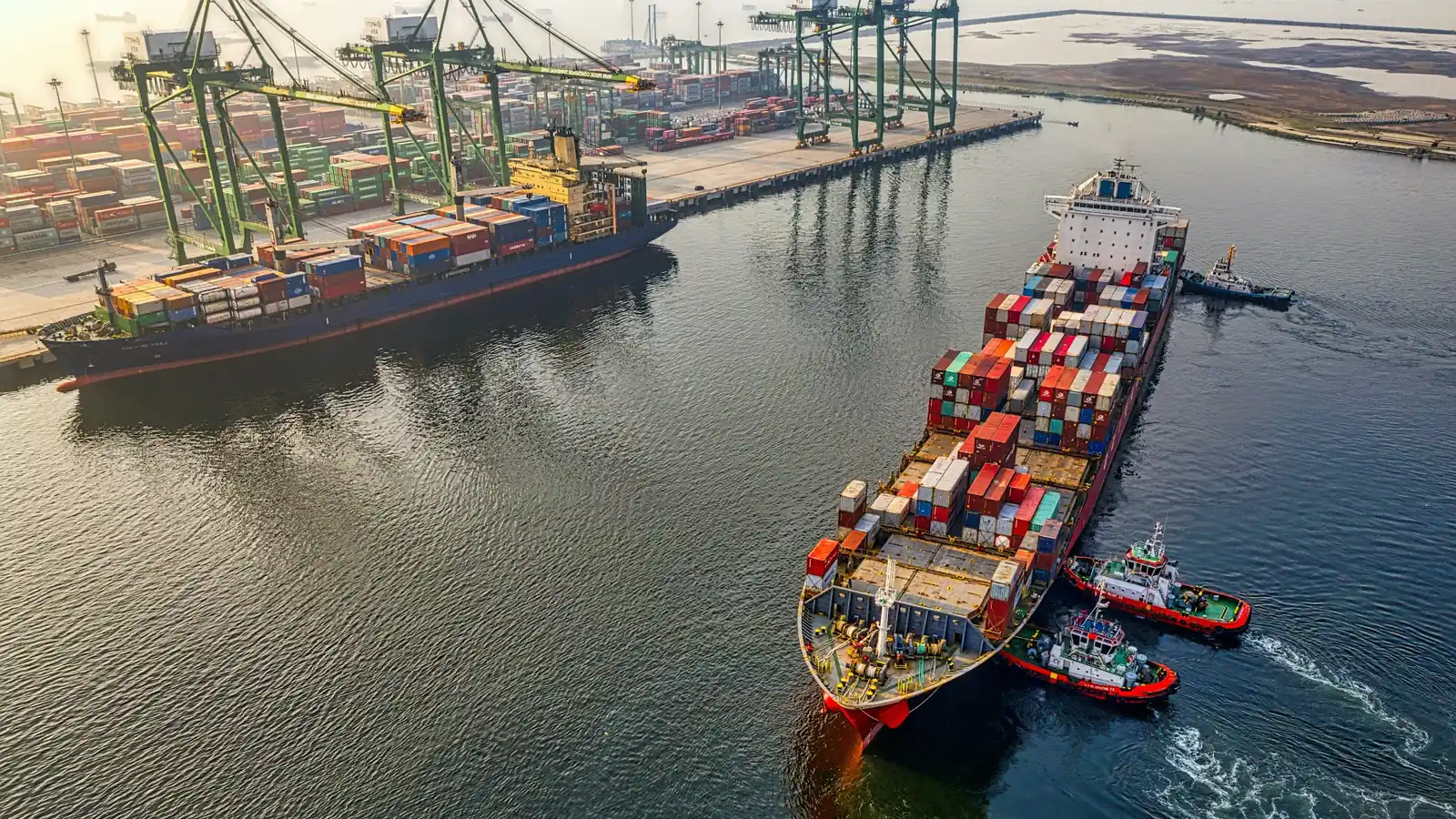
Export factoring facilities for UK sellers trading abroad
Invoice Factoring arranges export factoring with a suitable funder for UK businesses that invoice customers abroad, so cash tied up in overseas receivables can be released before buyers pay. We act as broker rather than lender, and the principles mirror domestic invoice factoring, with added attention to cross-border risk.
Funding and overseas collections combined
Export factoring, a form of international factoring, pairs an advance against approved export invoices with a collection service for buyers in other countries. The funder releases part of each invoice value, chases payment through the agreed process and pays you the balance, less charges, once the buyer settles.
How we take an export enquiry forward
After you send your details through the form or by email, we study your export sales cycle: who you sell to, where they are based, which currencies you invoice in and when your own costs fall due. We then look for a funder whose country coverage and collection arrangements match, and present your business accurately so its assessment starts on a realistic footing. The funder carries out its own checks and sets customer limits, the advance and its fees. Invoice Factoring then explains that proposal and leaves the decision with you.
What exporters can expect from us
There is no charge for the quote and no obligation to proceed. You receive a plain-English breakdown of the full cost, including currency charges, and of your own responsibilities, along with an honest view if export factoring is not a good fit.
Why exporters use international factoring
Working capital that keeps pace with orders
When customers abroad pay on 60 or 90 day terms, the funding available can rise as export sales grow, rather than sitting at a fixed limit like an overdraft. That helps with materials, shipping and payroll while you wait to be paid.
Collection support across borders
Chasing payment in another time zone, sometimes in another language, absorbs staff time. A funder with overseas collection capability, either directly or through local partners, can take on routine follow-up while your team concentrates on winning and fulfilling orders.
Optional export credit protection
Some funders can add cover against defined buyer non-payment risks. This sits apart from the funding itself and comes with its own limits, exclusions and conditions.
Overseas customers, markets and invoices that can qualify
Export factoring generally suits UK companies invoicing other businesses abroad on agreed credit terms, with clear contracts and evidence of delivery. Funders assess each customer, its country, the currency, the contract and the likelihood of collection. Approval of one buyer does not mean every customer or destination will be accepted.
Disputed balances, incomplete performance, rights of set-off and existing assignments can make an invoice unsuitable, and some countries may fall outside a funder's appetite altogether. Telling Invoice Factoring about overdue accounts and customer queries early means any estimate reflects the collectible ledger, not just the face value of invoices.
From shipment to settlement: running an export facility
Once the facility is live, you submit each invoice after dispatch or delivery with supporting documents, such as proof of shipment or acceptance of services. The funder advances against the invoices it approves, collects from the overseas buyer and releases the remaining balance after charges.
Funding overseas invoices in foreign currencies
Many funders can handle foreign currency invoices in euros, dollars or other widely traded currencies. Confirm the invoice currency, the advance currency and the settlement currency, because conversion margins and transfer charges reduce the cash you receive. A facility does not hedge exchange-rate movements unless that is arranged separately.
Who chases the overseas buyer?
The funder's credit control team, or its partner in the buyer's country, follows the agreed reminder schedule. Disputes over quality or delivery still need your input, so set an escalation route at the outset.
Pricing an export facility
A typical proposal includes a service fee covering ledger management and overseas collections, and a discount charge on money drawn for as long as it is outstanding. Longer payment terms, complex transactions and less common markets can push both upwards.
For example, an 80% advance against an eligible £40,000 invoice would provide £32,000 before deductions, with the £8,000 balance released after the buyer pays, less fees. This illustration is not an offer, and funding always depends on the funder's assessment and agreement.
Check set-up fees, minimum charges, currency costs, bank charges on international receipts and any fees for overseas recovery work. Any fees connected with arranging the facility should be confirmed in writing before you proceed.
Comparing export factoring with other trade funding
Invoice discounting for exporters
If your team already collects reliably from overseas customers, invoice discounting may provide funding while you keep credit control in-house. It usually suits larger businesses with established accounts processes.
Purchase order finance
Export factoring funds invoices that already exist. If your main pressure comes before production, when you pay suppliers to fulfil an order, an invoice-based facility will not reach that early stage. We will say so plainly if your gap sits earlier in the trading cycle.
Credit insurance and buyer default cover
Funding and protection answer different questions. Under recourse terms you may have to repay an advance if a buyer defaults. Bad debt protection through the funder can cover defined events for approved buyers, but political risk, transfer restrictions and commercial disputes should not be assumed to be included.
Export agreement terms: currency, recourse and collections
- Which countries and buyers are covered, and how customer limits can change.
- When an invoice becomes eligible: on dispatch, on delivery or on buyer acceptance.
- How short payments, bank charges and exchange differences are treated.
- Recourse terms and what happens if an overseas customer fails to pay.
- The minimum term, notice period and termination charges.
Invoice Factoring reviews these points with you and compares proposals on matching assumptions, so a low headline rate does not hide a poor fit.
Start an export factoring enquiry
Tell us your export turnover, the countries you sell to, your invoice currencies and usual payment terms. Mention any disputed or overdue overseas balances, the collection support you want and existing finance on your ledger. An aged debtor report and sample contracts help, though detailed records should only be shared once a secure process is confirmed.
Use the form to request your export factoring quote or email info@invoicefactoring.org.uk. Invoice Factoring will then explain what a funder is likely to need and whether export factoring is the right fit for your trade.