On this page
- Factoring, discounting and credit cover brokered for Gateshead suppliers
- Team Valley: a supplier's view of slow payment
- Follingsby Park and the logistics trade
- Working as a tier-two supplier to large plants
- Studios and tech firms on Gateshead Quays
- Questions to ask before signing
- Where the funding stops
- Opening a conversation about your ledger
Factoring, discounting and credit cover brokered for Gateshead suppliers
Invoice Factoring arranges invoice finance for Gateshead manufacturers, hauliers and trade suppliers by introducing them to a funder that suits their customers and terms. The funder provides the money and agrees the facility; our role is to find it and explain it.
Three facilities worth comparing
With invoice factoring, the funder usually runs collections on funded invoices, which can help a smaller manufacturer without a credit controller. Discounting your invoices leaves collections with you and tends to suit larger firms with an in-house finance function. Where a few big accounts carry the ledger, we can ask funders about adding bad debt protection, subject to the policy terms and limits.
The route from enquiry to offer
It starts with an online enquiry or an email. We review your sales ledger, customers and payment terms, then put the case to a funder that fits. The funder runs its own checks and sets the advance, fees and conditions. We take you through its terms, and the decision to proceed stays with you.
No charge for the quote, no pressure to sign
Quotes are free and carry no obligation. We set out every cost, including minimum fees and notice periods, and tell you plainly if another type of finance would fit better. For firms making or moving goods on Team Valley and around Follingsby Park, the facility is meant to cover the weeks between delivery and the customer's payment run.
Team Valley: a supplier's view of slow payment
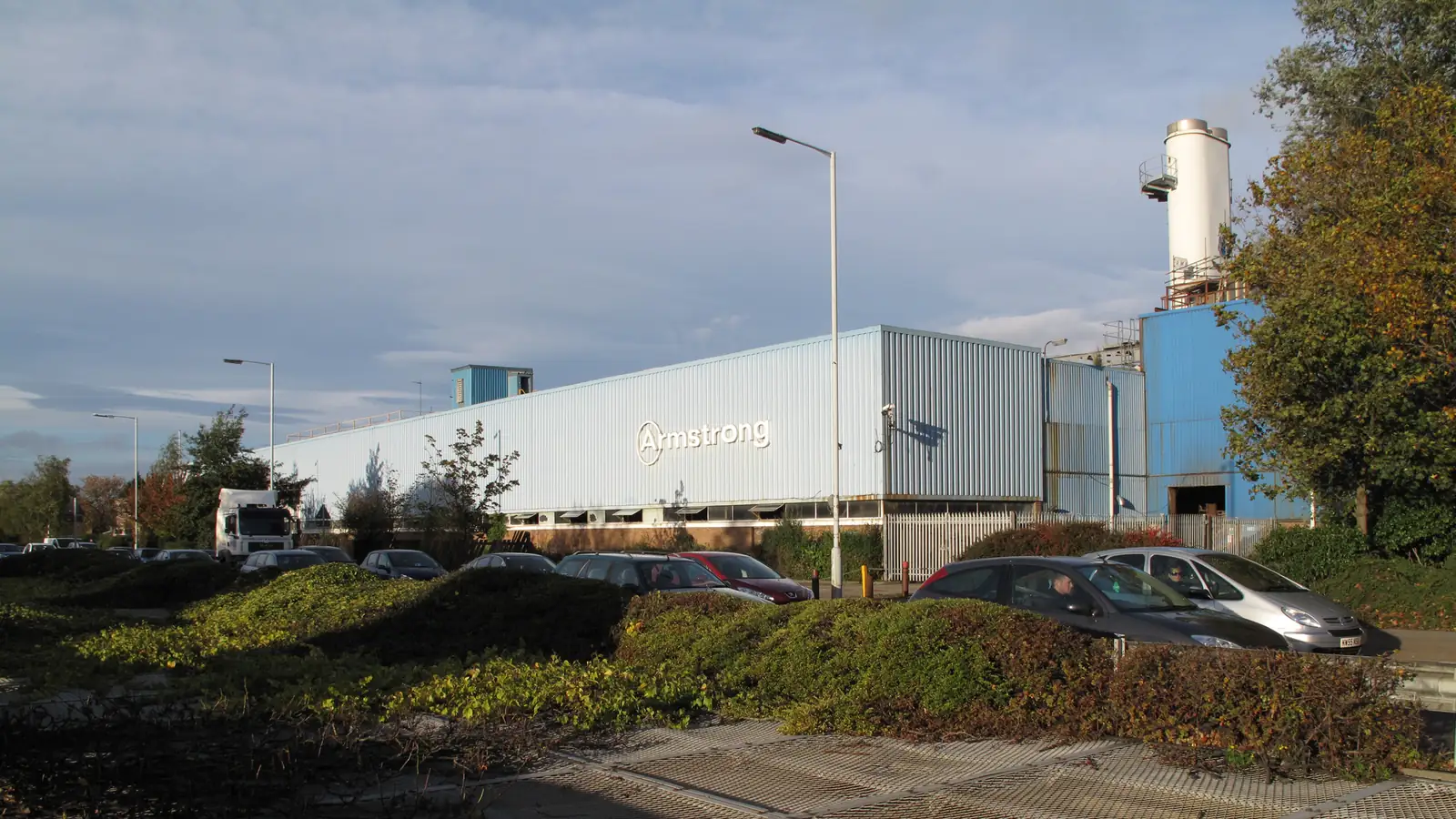
Team Valley runs for around two miles along Kingsway in the south of Gateshead and holds hundreds of businesses, from engineering workshops and manufacturers to trade counters, wholesalers and service firms. A large share of them sell to other businesses on credit.
Trade counters and wholesalers on the estate often deal with many small trade accounts rather than a few large ones. A spread of customers can make a ledger easier to fund, but it also means more invoices to chase. Some Gateshead suppliers hand that work to a funder, while others keep it in-house.
For a supplier, the pressure point is the period between delivery and payment. Materials, wages and overheads are paid when the job is done, while the customer may settle 30, 60 or more days later.
Follingsby Park and the logistics trade
Follingsby Park, on the eastern side of Gateshead, has its own junction on the A194(M), linking it to the A1(M), the A19 and the Tyne Tunnel. Its large warehouses are used by national parcel, retail and distribution operators, and the estate supports a wider chain of hauliers, warehousing contractors and maintenance firms.
For a Gateshead haulier or warehousing firm, invoices are often frequent and of modest value, with fuel and driver costs paid well before the customer settles. Funders will look at how deliveries are evidenced. Signed proof of delivery and clear rate cards make an invoice easier to fund. Charges the customer has not agreed, such as waiting time or extra drops, can lead to disputes and may be excluded.
Working as a tier-two supplier to large plants
Gateshead's manufacturing base includes large operations such as Komatsu UK at Birtley, which designs and builds hydraulic excavators. Sites like this rely on component suppliers, fabricators, engineering contractors and service providers, many of them small firms. Supplying a large manufacturer can bring regular orders, but also demanding terms.
Before relying on invoice finance for this kind of work, check your customer contracts. Some contain clauses that restrict assigning invoices to a third party. Others allow the customer to set off sums against what it owes you. A funder will want to know about both, and about any customer that makes up a large share of your sales. Larger customers may also use self-billing or require invoices through an online portal, which a funder will need to understand.
Studios and tech firms on Gateshead Quays
Not all of the borough's trade is industrial. The Baltic Business Quarter, close to the river, houses games studios, software developers and other digital businesses. Their invoices are usually for project milestones or monthly development fees rather than physical goods, so a funder will want to see the contract and what the client has accepted so far.
These firms can sometimes use invoice finance once a milestone is accepted and invoiced, but not for work in progress. Where one publisher or client provides most of the income, a funder may set a lower limit on that customer, or offer to fund individual invoices instead of the whole ledger.
Questions to ask before signing
Facility terms vary between funders, so read the agreement in full. For Gateshead firms comparing offers, these are the points that most often matter.
Fees and minimum terms
Ask how the service fee and the charge on funds drawn are calculated, whether there is a minimum annual fee, and how long the notice period is.
Which invoices count
Check the concentration limits, the age at which invoices stop being funded, and whether disputed or part-paid invoices are excluded.
Recourse
Under a recourse arrangement, you repay the funder if a customer does not pay. Make sure you understand when that obligation applies and how long you have to settle it.
Where the funding stops
Invoice finance only advances money against invoices that exist. It cannot pay for raw materials for an order you have not yet delivered, tooling for a new contract, or a machine purchase. A Gateshead business facing those costs may need stock, trade or asset finance alongside or instead of an invoice facility. It is also unsuitable for sales to consumers, such as retail takings.
Before applying, reconcile the sales ledger, clear old credit notes and resolve disputed balances, since a funder will review them early.
Opening a conversation about your ledger
Use the contact form or email info@invoicefactoring.org.uk with a short note on what you sell, who your customers are and roughly how much you invoice each month. If you also trade across the river, see the Newcastle upon Tyne page, or view the full list of areas.